
Fort Parker State Park: A Detailed Guide

Finding a Historic Retreat in Central Texas

Fort Parker State Park is a 1,458-acre state park located near Mexia in Limestone County, Texas, approximately two hours from the Dallas-Fort Worth area. Established in 1941, the park offers a blend of outdoor recreation and Texas history centered around Lake Fort Parker, a 750-acre reservoir created by the Civilian Conservation Corps.
Quick Facts:
Location: 194 Park Road 28, Mexia, TX 76667
Size: 1,458.8 acres
Day Use Fee: $5 per person (ages 13+)
Office Hours: 8:30 AM - 4:30 PM daily, year-round
Phone: (254) 562-5751
Annual Visitors: 50,432 (2022)
Camping: 44 sites including RV hookups, tent sites, cabins, and screened shelters
Trails: 4 hiking/biking trails ranging from 0.5 to 2.5 miles
Activities: Fishing, kayaking, swimming, hiking, bird watching
The park sits on land with deep Texas roots. In 1833, the Parker family built a fort here that became the site of a historic Comanche raid three years later. By 1838, the town of Springfield had grown nearby, once rivaling Dallas and Houston in size before fading after the Civil War. Today, only the Old Springfield Cemetery remains as a reminder of that community.
When the Great Depression hit, the city of Mexia and local landowners donated about 1,500 acres to create a public park. From 1935 to 1942, African-American men of the Civilian Conservation Corps Company 3807(C) built the infrastructure that makes the park accessible today—roads, picnic areas, a dam across the Navasota River, and the recreation facilities still in use.
Lake Fort Parker became the centerpiece when the dam was completed in 1939. The park opened to the public on May 1, 1941, with about 700 visitors attending the grand opening. Today, the lake offers kayaking, canoeing, fishing, and swimming, while the surrounding forest provides shaded hiking trails and camping spots.
The park is especially popular with RV campers. Twenty-four campsites offer electric hookups, and four are pull-through sites ideal for larger rigs. Water hookups, a dump station, and nearby showers make it a comfortable base camp for exploring the area. Most sites are spaced generously, with lakefront options available at sites 18-23.

I'm Jonathan Dies, owner of DFW RV Rentals, and I've helped countless families experience Fort Parker State Park by providing fully-equipped travel trailers with delivery, setup, and utility coordination—typically within 48-72 hours of approval. Whether you're planning a weekend getaway or an extended stay, having a reliable RV at this historic park makes the experience stress-free and memorable.
The Rich History of the Land
A visit to Fort Parker State Park is a walk through layers of Texas history, from early settlements and tragic conflicts to the resilience of communities. The story of this area is as compelling as its natural beauty. For a deeper dive, consult the Fort Parker State Park History — Texas Parks & Wildlife Department.
Old Fort Parker and the Parker Family Legacy
The region's story begins in 1833 when the John Parker family established Parker's Fort to protect them from raids. The fort became the site of a devastating Comanche raid in May 1836, during which 12-year-old Cynthia Ann Parker was captured. She lived with the Comanche for many years, married a chief, and became the mother of Quanah Parker, one of the most influential Comanche leaders.
In 1936, the Civilian Conservation Corps (CCC) rebuilt a replica of the fort as part of the Texas centennial. Now known as Old Fort Parker, it operates as an independent nonprofit, preserving the memory of the original fort and frontier life.

The Rise and Fall of Springfield
Nearby, the community of Springfield was established in 1838 and grew to become the first county seat of Limestone County in 1847. At its peak, Springfield was a thriving hub with a population that once exceeded Dallas or Houston.
However, the town's decline began in the early 1870s after the Civil War and when the railroad bypassed it. After the courthouse burned down, Groesbeck became the new county seat in 1873, sealing Springfield's fate. The once-busy town faded, and today, only the Old Springfield Cemetery remains as a poignant reminder.
The Civilian Conservation Corps Creates a Park
During the Great Depression, the creation of Fort Parker State Park began. In 1935, the city of Mexia and local landowners donated about 1,500 acres of land. From 1935 to 1942, the African-American men of CCC Company 3807(C) built the park's roads, facilities, and concession building. Their most significant contribution was the dam across the Navasota River, completed in 1939, which created the 750-acre Lake Fort Parker.
On May 1, 1941, Fort Parker State Park officially opened to a crowd of about 700 visitors. The legacy of the CCC's craftsmanship is still evident throughout the park. To learn more about their work, check out The Look of Nature: Fort Parker State Park.
Your Guide to Recreational Activities at Fort Parker State Park
Fort Parker State Park is a haven for outdoor enthusiasts, offering a wide array of activities centered around its picturesque Lake Fort Parker and the surrounding natural landscape. Whether you're a thrill-seeker or prefer a tranquil afternoon, there's something here for everyone.
Water Activities on Lake Fort Parker
Lake Fort Parker is the undisputed heart of the park's recreational offerings. With 750 acres of water, it's a fantastic spot for a variety of aquatic adventures.
Kayaking and Canoeing: Glide across the calm waters of Lake Fort Parker in a kayak or canoe. It's a peaceful way to explore the shoreline and observe wildlife. You can rent kayaks directly from the park headquarters, or, in a modern twist, even from a vending machine located at the River Boat Ramp!
Boating: While the lake is relatively shallow (generally 3-4 feet deep), it's suitable for small boats. The River Boat Ramp provides easy access for launching your vessel.
Fishing: Cast a line and try your luck! The park offers Fishing Equipment Loaners, making it easy for even beginners to enjoy the sport. While some reviewers note fishing can be "tough," the serene environment makes it a worthwhile pursuit. A Texas fishing license is usually required for those 17 and older.
Swimming: On a hot Texas day, nothing beats a refreshing dip. The park features a designated swimming area, perfect for cooling off. Be aware that the lake can get "bathwater warm" in summer, and some visitors have reported encountering leeches, so always be mindful of your surroundings.
Limestone Bluffs Paddling Trail: For those looking for a longer paddling excursion, the Limestone Bluffs Paddling Trail offers a scenic 9-mile round trip, allowing us to explore more of the Navasota River's beauty.

Land-Based Fun and Exploration
Beyond the water, Fort Parker State Park provides ample opportunities for fun and exploration on solid ground.
Picnicking: Numerous picnic tables and shelters are scattered throughout the park, offering perfect spots for a family meal amidst nature.
Playgrounds: Kids (and kids at heart!) will love the park's playgrounds, featuring swings, slides, and jungle gyms. However, a friendly word of caution from past visitors: wasps can sometimes be an issue around the playground areas, so keep an eye out!
Geocaching: For a modern treasure hunt, engage in geocaching. It's a fantastic way to explore different parts of the park and find hidden gems.
Wildlife Observation: Keep your eyes peeled for the diverse wildlife that calls Fort Parker State Park home. From birds to mammals, there's always something to spot.
Photography: With its historic structures, tranquil lake, and lush landscapes, the park offers countless photographic opportunities. Don't forget your camera!
Nature Center: For those interested in learning more about the local ecosystem, the Fort Parker Nature Center is open on weekends, providing educational exhibits and programs.
Exploring the Trails, Flora, and Fauna
One of the best ways to immerse ourselves in the natural beauty of Fort Parker State Park is by hitting its trails. The park boasts a variety of paths suitable for both hiking and biking, allowing us to explore its unique ecosystems and encounter local wildlife.
Hiking and Biking Trails
Fort Parker State Park features several well-maintained trails that cater to different preferences and fitness levels. While some reviews mention that trail maintenance can vary, they are generally considered easy to hike and bike.
Springfield Trail: This is a popular 1.5-mile loop trail, perfect for a leisurely stroll or a quick bike ride. It's a great way to get a feel for the park's diverse scenery.
Navasota River Trail: A shorter, 0.5-mile one-way trail that offers picturesque views of the Navasota River. A user once took a morning bike ride here to observe the results of mass flooding, noting the park was "not crowded." It's a tranquil path, ideal for a peaceful walk.
Baines Creek Trail: The longest of the park's designated trails, stretching 2.5 miles one way. This trail offers a more extended adventure for hikers and bikers looking to explore deeper into the park's forested areas.
Bur Oak Nature Trail: A delightful 0.5-mile loop, this nature trail is perfect for those who want to learn more about the park's flora and fauna. It's an accessible path that offers interpretive signs along the way.
Whether you're looking for a brisk workout or a meditative walk, the trails at Fort Parker State Park offer a refreshing escape into nature.
Wildlife and Natural Habitat
Fort Parker State Park is a vibrant ecosystem teeming with life. The park's diverse habitats, including forests, wetlands, and the lake itself, support a rich variety of flora and fauna.
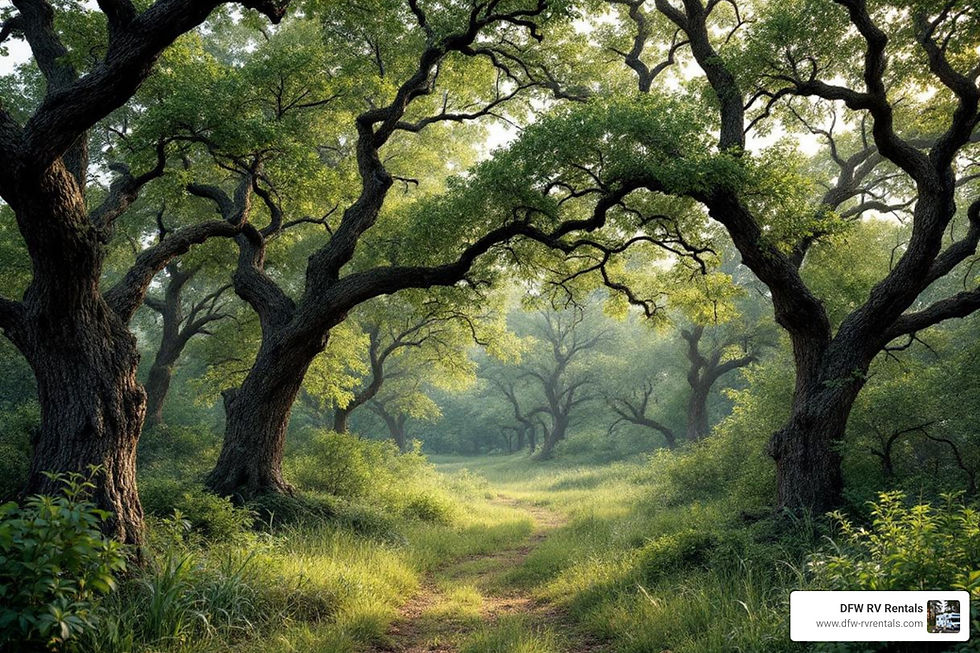
Native Flora: The park is home to a beautiful array of native trees, including majestic Bur Oak, Pecan, Water Oak, and Ash trees. We can also find various other plants that contribute to the park's lush and verdant landscape.
Bird Species: Birdwatchers will be delighted by the many species that frequent the park. The mix of water and woodland habitats attracts a wide range of avian residents and migratory birds.
Mammals: Keep your eyes open for white-tailed deer, often seen grazing in open areas or near the forest edges. Other mammals, such as raccoons, squirrels, and armadillos, also call the park home.
Aquatic Life: Lake Fort Parker and the Navasota River are home to various fish species, making it a popular spot for anglers. As mentioned earlier, while exploring the lake, be aware of the occasional leech, a natural part of any healthy freshwater ecosystem.
Navasota River Ecosystem: The river and its surrounding wetlands create a unique habitat that supports a distinct set of plants and animals, adding to the ecological richness of the park.
Camping and Lodging: Your Home Base for Adventure
For many, the ultimate way to experience Fort Parker State Park is by staying overnight. The park offers a variety of camping and lodging options, ensuring a comfortable and memorable stay. With 44 total campsites, planning ahead and making reservations is key, especially during peak seasons. For those starting on a grand adventure, consider reading our guide on Embark on an Epic RV Adventure: Top Destinations for RV and Travel Trailer Camping Trips.
RV and Tent Camping at Fort Parker State Park
Fort Parker State Park is a fantastic destination for RV enthusiasts and tent campers alike. We pride ourselves on helping you find the perfect RV for your trip, and this park offers excellent facilities to accommodate our rentals.
Campsites with Electricity: The park features 24 campsites equipped with electric hookups (typically 30 amp), a picnic table, water hookup, and a fire ring with a grill. Nearby restrooms with hot showers are easily accessible.
Campsites with Water (Tents Only): There are 10 sites that offer water hookups for a traditional tent camping experience. Starting May 1, 2024, weekend stays for these sites require reservations for both Friday and Saturday nights.
Campsite with Electricity (Tent Only): A single, dedicated site for tent campers who still want the convenience of electricity.
Pull-Through Sites: For larger RVs, the park offers four convenient pull-through sites, making parking and setup a breeze.
Dump Station: A centrally located dump station is available for RVs.
Many RV campsites are "large and spaced nicely," though waterfront sites can be closer together. Sites 18-23 are sought after for their lakefront views, with site #18 often highlighted as the "best water site." For a more secluded experience, sites 11-17 are nestled in the woods.
Planning your RV trip to Fort Parker State Park is made even easier with DFW RV Rentals. We specialize in providing regularly maintained, cleaned, and sanitized motorhomes. We can accommodate custom requests and even deliver, set up, and coordinate utilities for your RV at the park, letting you focus on the fun. For more insights on where to set up camp, check out our guide on the Best RV Parks in Texas for 2025. To secure your spot, we recommend making reservations online well in advance: Check campsite availability and make reservations online.
Shelters and Group Facilities
For groups or those seeking alternatives to tent camping, the park offers several options:
Screened Shelters: Eight shelters provide protection from insects and the elements, with picnic tables and fire rings.
Cabins: Two cabins accommodate up to 8 people each. They are equipped with heat, A/C, and electricity, but do not have beds or bathrooms (nearby restrooms are available). Pets are prohibited.
Group Barracks/Bunkhouses: Two barracks sleep up to 16 people each in bunk beds, ideal for scout groups or large families.
Group Camp: A sponsored youth group area accommodates up to 50 people.
Group Hall and Pavilion: Two group halls and one pavilion are available for events.
For details and reservations on these facilities, visit the Fort Parker State Park Lodging — Texas Parks & Wildlife Department page.
Essential Visitor Information
Planning a trip to Fort Parker State Park is straightforward, but knowing the essential details beforehand can make our visit even smoother. From its geographical coordinates to current alerts, we've got you covered. For general park information, the Park homepage is an excellent resource.
Location, Hours, and Fees
Geographical Location: Fort Parker State Park is nestled in Central Texas, near the city of Mexia in Limestone County. Its precise coordinates are 31°36′13″N 96°33′03″W.
Office Hours: The park office operates Monday through Sunday, from 8:30 AM to 4:30 PM daily, year-round. While the park itself doesn't have a gate, these are the hours for checking in and getting assistance.
Day Use Fee: The daily entrance fee is $5 per person for those aged 13 and older. Children 12 and under enter for free. This fee is in addition to any facility fees for camping or lodging.
Texas State Park Pass: For frequent visitors to Texas State Parks, we highly recommend purchasing a Texas State Park Pass. This pass grants free entry to over 80 state parks for one year, making it a fantastic investment for park enthusiasts. Day passes can also be pre-purchased up to one month in advance to guarantee entry and parking, especially on busy weekends and holidays.
Important Alerts and Contact Info for Fort Parker State Park
Staying informed about current conditions and alerts is crucial for a smooth visit. We always advise checking the park's official website before heading out.
Current Alerts: As of recent updates:
Fishing Piers: The fishing piers at both the Group Barracks and Campgrounds are closed until further notice for maintenance (as of September 23, 2024).
Restroom Renovations: The restrooms connected to the Group Recreation Hall are closed until further notice due to an ongoing renovation project. A completion date is currently unclear (as of June 7, 2022). This is a good reminder that park facilities are continually being maintained and improved, sometimes causing temporary closures.
Late Arrival Procedures: If your plans have you arriving after the office closes at 4:30 PM, don't fret! The park has clear procedures in place:
Day Use: Use the self-pay station to cover your entrance fee.
Overnight Camping: For all overnight camping, you must call the park headquarters at (254) 562-5751 before 4 PM on your arrival day. Have your license plate numbers and the number of occupants ready. If you arrive without a reservation, check online for availability before you head out. All late arrivals must check in at the front office between 8:30 AM and 9:30 AM the following morning.
Screened Shelters: If you have a reservation, your key will be hung adjacent to the headquarters door with your name on it.
Primitive Group Camp: Proceed directly to the campsite located near the Navasota River boat launching ramp. Any remaining balance will be due at check-in the following morning.
Group Barracks/Bunkhouses: The reservation holder needs to contact the park office before 4:00 PM to obtain the keys.
Park Phone Number: For any questions or to report a late arrival, you can reach the park directly at (254) 562-5751.
Frequently Asked Questions about Fort Parker State Park
We know you might have a few more questions as you plan your adventure to Fort Parker State Park. Here are some common inquiries and their answers, based on our extensive research:
Are pets allowed in the park?
Yes, pets are generally allowed in most Texas State Parks, including Fort Parker State Park, as long as they are on a leash. However, there are important restrictions to keep in mind. Pets are not allowed inside any state park buildings, which includes the cabins, screened shelters, and group halls. Specifically for the cabins at Fort Parker State Park, pets are strictly prohibited in the cabin area. If you plan to rent a cabin, you'll need to leave your furry friends at home. Always check with the park directly for any specific pet restrictions before your visit to ensure a happy trip for everyone.
What are the lake conditions for swimming and boating?
Lake Fort Parker is a beautiful centerpiece of the park, but it's important to understand its characteristics. The lake is generally quite shallow, typically ranging from 3 to 4 feet deep. While it's great for kayaking, canoeing, and paddleboating, its depth means it's not ideal for larger motorized boats. Swimmers enjoy the designated swimming area, but be aware that the water can become "bathwater warm" during the summer months. Some visitors have also reported encountering leeches, which are a natural part of freshwater ecosystems, so it's good to be mindful when entering the water. For fishing, while it's a popular activity, some anglers have noted that fishing can be "tough" at times. The Limestone Bluffs Paddling Trail offers a scenic 9-mile round trip for paddlers.
What should I do if I arrive after the office closes?
If your arrival at Fort Parker State Park is after the office closes at 4:30 PM, don't worry, we've got a plan!
For Day Use: Simply use the self-pay station available at the park entrance to pay your $5 day-use fee.
For Overnight Camping (RV or Tent Sites): It's crucial to call the park headquarters at (254) 562-5751 before 4 PM on your arrival day. You'll need to provide your license plate numbers and the number of occupants. If you don't have a reservation, check online for available sites first. All late arrivals for overnight camping must check in at the front office between 8:30 AM and 9:30 AM the following morning.
For Screened Shelters: If you have a reservation, your key will be conveniently hung adjacent to the headquarters door with your name on it.
For Primitive Group Camp: You can proceed directly to your campsite, which is located adjacent to the Navasota River boat launching ramp. Any outstanding balance will be due when you check in the following morning.
For Group Barracks/Bunkhouses: The person who made the reservation must contact the park office before 4:00 PM to arrange for key pick-up.
Always double-check the park's official website or call them directly for the most up-to-date late arrival procedures.
Why Fort Parker State Park Is Worth the Trip
Fort Parker State Park truly offers a unique blend of Texas history and natural recreation, making it an ideal destination for a memorable getaway. From exploring the poignant remnants of Old Springfield and the historic significance of Parker's Fort, to paddling on the serene waters of Lake Fort Parker and hiking its diverse trails, there's an adventure waiting for every visitor. The Civilian Conservation Corps' enduring legacy is evident in the park's well-built infrastructure, offering a testament to a pivotal time in our nation's history.
Whether you're planning a quiet weekend escape or a lively family reunion, the park's varied camping and lodging options, including RV sites, screened shelters, and group facilities, ensure a comfortable stay. We at DFW RV Rentals are passionate about helping you experience the wonders of Texas State Parks like Fort Parker State Park with ease and comfort. Our first-class service, regularly maintained RVs, and custom requests ensure that your trip is not just a vacation, but an exceptional experience.
So, pack your bags, gather your loved ones, and prepare for an unforgettable journey into the heart of Central Texas. To make your planning even smoother, we encourage you to explore our guide on RV Park Rates in Texas: What to Expect and How to Save. We look forward to helping you create cherished memories at Fort Parker State Park!


Comments